Lancaster Marsh
The marshland itself is our reference point for the low-lying streets where damp and condensation are worst. Jobs within sight of it get an extra ventilation check as standard.

Spray foam removal in Marsh is the job of getting failed or non-compliant spray foam out of a roof, loft or cavity so the building can be surveyed, mortgaged, insulated and ventilated correctly again. We have worked Marsh since 2022, and most of our call-outs come from the dense terraced streets between Marsh Lane and Lune Street, plus the post-war housing around Marsh Estate where retrofit foam was pumped in during the last round of government-backed insulation schemes. Marsh sits low, close to the River Lune flood plain, so lofts here hold damp far longer than roofs up on the ridge at Scotforth or Bare. That matters. Closed cell foam traps moisture against rafters, and we have pulled out timbers in LA1 3 that were soft enough to push a screwdriver into. We use dry ice blasting machines, thermal removal tools and industrial vacuums to take foam off without gouging the timber, then a moisture meter tells us whether the roof space has dried out enough to be re-insulated. If you need the best spray foam removal Marsh can offer before a lender's deadline, we can usually survey within 48 hours.
Every job in Marsh starts with an insulation assessment, because open cell and closed cell foam come out differently and the roof structure decides the method. We cover the full range - loft, roof, attic, cavity wall and warehouse foam removal - and we can usually get to you the same day if a lender or surveyor has set a deadline. If you have been searching for spray foam removal in Marsh near me and want a straight answer on cost, we will give you a fixed figure before we start.

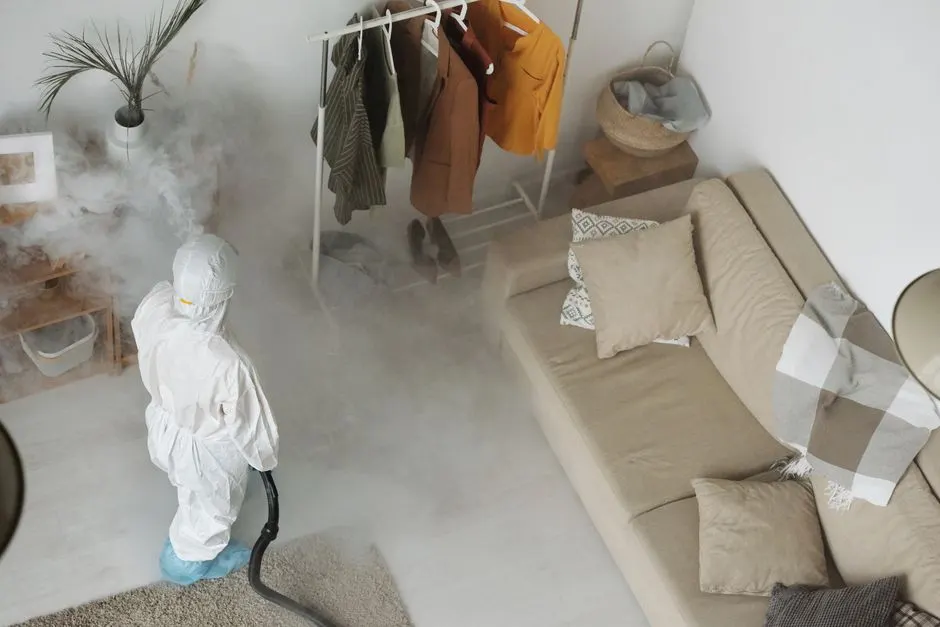






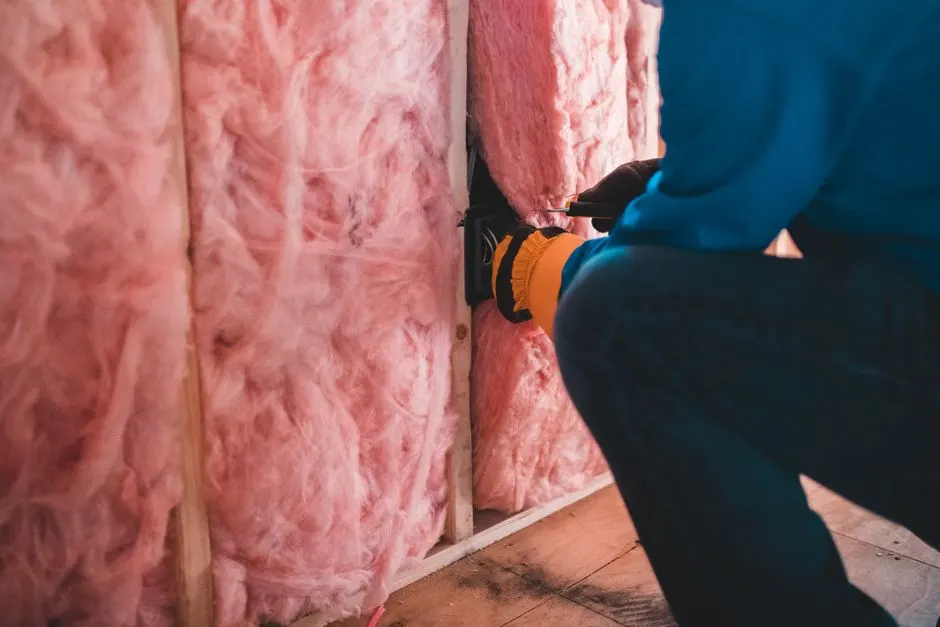
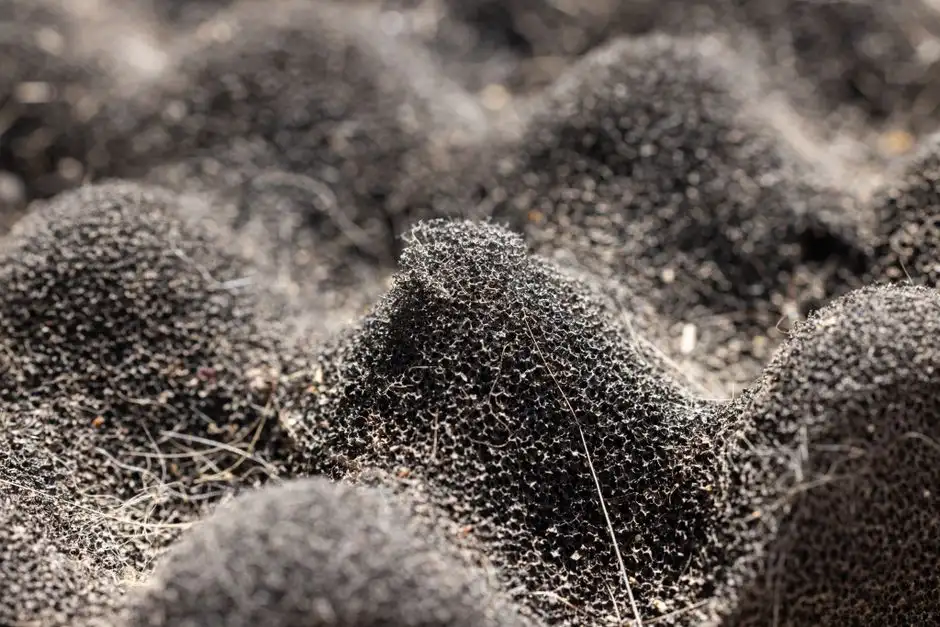




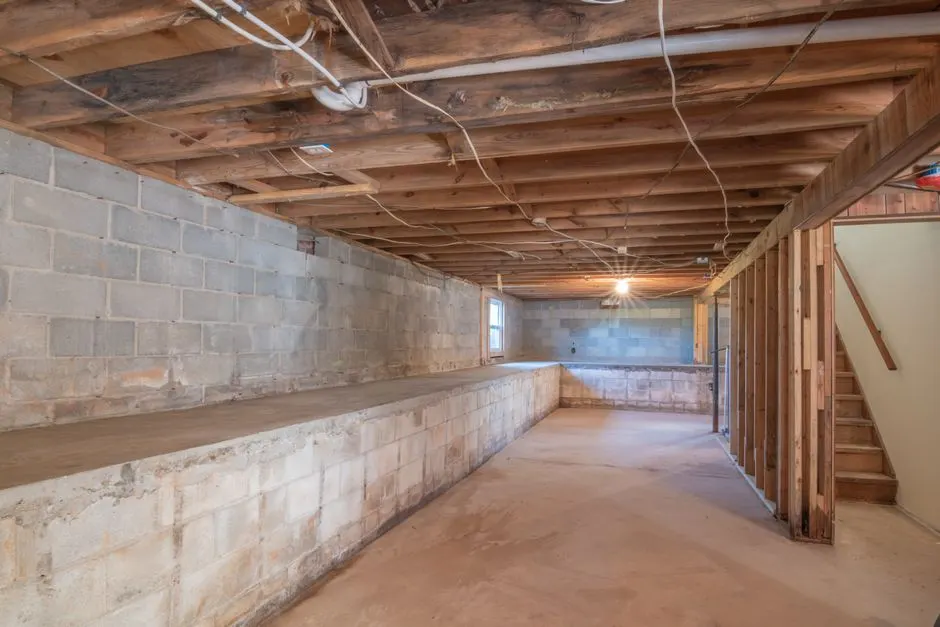
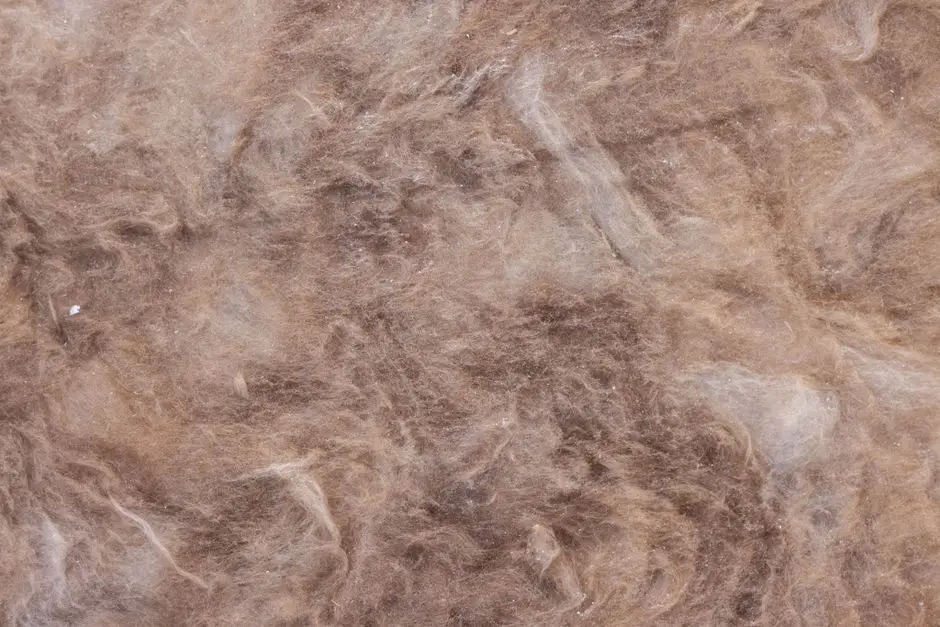


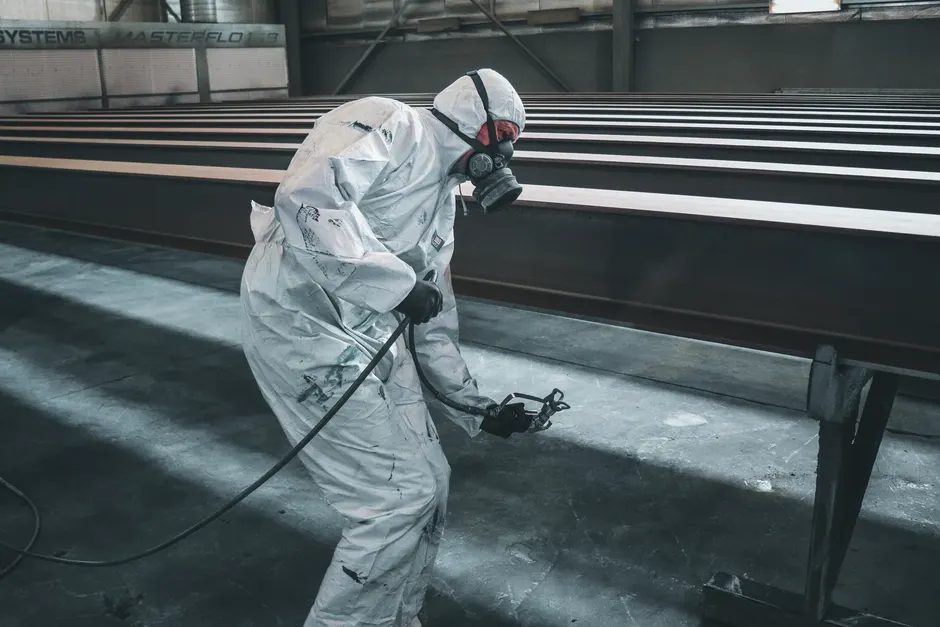
Marsh has a particular set of conditions that make spray foam go wrong faster than in other parts of Lancaster. The ground is low and close to the River Lune flood plain, the housing stock is old and dense, and a lot of lofts were foamed during retrofit schemes without any thought for ventilation. Those three things together cause most of the problems we are called out to fix.
Lenders treat spray foam as a risk because it hides the roof timbers and often blocks ventilation. In Marsh, where so many properties were foamed under retrofit schemes, valuations regularly come back with a condition that the foam must be removed before lending.
Marsh sits low near the River Lune flood plain, so roof spaces here hold moisture longer. When foam is applied tight across the rafters, that moisture has nowhere to escape and condenses on cold timber through the winter.
Closed cell foam traps water against the rafter surface. In older Marsh terraces, where roof felt is often degraded, water finds its way in and cannot dry out. Over a few years the timber softens and loses strength.
Foam that has gone damp or separated from the roof deck stops insulating. Homeowners in Marsh often notice cold draughts and higher bills despite having a foamed loft, because the foam is no longer doing the job it was installed for.
Most people in Marsh do not call us because they want the foam gone - they call because a surveyor, a lender or a damp patch forced the issue. If any of these sound familiar, it is worth getting an assessment before the problem spreads. Searching for spray foam removal in Marsh near me usually means one of these five things has already happened.
Mortgage valuation flagged the spray foam
Lenders increasingly refuse to lend on properties with spray foam in the roof because they cannot verify the condition of the timbers underneath. If your valuation report mentions foam, act quickly - most sales fall through over timing, not the cost of removal.
Damp patches or condensation in the loft
Foam applied across rafters blocks the ventilation gap, so moisture has nowhere to go. In low-lying Marsh, where the ground holds water, this shows up fast. Left alone, it soaks into timber and starts rot.
Soft or discoloured roof timbers
Push a screwdriver into a rafter and if it sinks easily, the timber has been wet for a while. This is common under closed cell foam near the ridge. It needs removing and treating before it becomes a structural problem.
Rising energy bills despite a foamed loft
Foam that has failed or gone damp stops insulating properly, so you pay more to heat the house. If your loft feels cold and draughty despite being foamed, the insulation is not doing its job and removal plus proper re-insulation will pay back.
Surveyor cannot inspect the roof space
Foam covering the rafters stops a surveyor assessing the roof structure, which is why so many Marsh sales stall. Removing it gives them a clear view and removes the main objection in the report.
Marsh is compact, but the one-way streets and terraced back alleys mean we plan routes carefully. We use Lancaster Marsh as our main reference point for the low-lying streets, and Giant Axe for jobs on the northern edge near the river. Lancaster Royal Infirmary is a useful marker for the eastern side of our coverage, and Marsh Community Centre helps us pin down addresses around the estate when a postcode lands us on the wrong side of a terrace.
The marshland itself is our reference point for the low-lying streets where damp and condensation are worst. Jobs within sight of it get an extra ventilation check as standard.
Giant Axe gives us a fixed point on the northern edge of Marsh, useful for routing to properties near the river and for estimating travel time from the city centre side.
The infirmary sits just outside Marsh and acts as our eastern marker. It helps us judge access and parking when a job is close to the hospital boundary.
The community centre is a handy anchor for addresses around Marsh Estate, where several streets share similar names and sat-nav often lands you one terrace over.
ZIP coverage on request — call to confirm.
Marsh has a wet, mild climate and sits on low ground, so moisture is a year-round factor in roof spaces. Demand for spray foam removal peaks in autumn and winter, when damp shows up as stains and smells, but we work right through the year. If you are planning a sale or remortgage, the best time to book is before the weather turns.
Spring is when damp patches from winter first become obvious in Marsh lofts. Condensation stains on rafters and a musty smell in the back bedroom are the usual giveaways, and surveyors start flagging foam on valuations as the market picks up.
Tip: Book a survey now if you are planning to sell this year. Getting the foam out before a buyer's surveyor sees it avoids a stalled sale later.
Warm, drier weather is the easiest time to remove foam and let roof timbers dry out. Lofts are hot to work in, so we start early, but the drying conditions are the best you will get in Marsh all year.
Tip: If your loft has been damp, summer is the window to strip the foam and let the timbers dry properly before autumn rain arrives.
Autumn rain and falling temperatures bring condensation back into Marsh roof spaces. Foam that has been holding moisture all summer starts to show through as damp stains, and emergency call-outs for water ingress rise.
Tip: Clear your gutters and check the roof for slipped tiles before winter. Water getting in from outside makes any foam problem significantly worse.
Winter is when the worst cases surface. Storm-driven rain and freezing temperatures expose failed foam, blocked vents and rotten timbers, and we get 24/7 call-outs from properties close to the River Lune flood plain.
Tip: If you see water staining or smell damp in the loft, call us rather than waiting for spring. Foam holding water against timber does the most damage over winter.
Marsh sits inside a tight service region. We cover the city centre and the surrounding wards as one route, which means we can often pair a Marsh job with a call-out in a neighbouring area and keep travel costs down. If you are just outside Marsh, there is a good chance we already work your street.
(City)
Less than a mile east of Marsh, and the most common area we pair with Marsh jobs on the same day.
View Lancaster City Centre(City)
Directly adjacent to Marsh, sharing the same low-lying ground and similar terraced housing stock.
View Bulk(City)
A short drive south, with a similar mix of older terraces and retrofit foam problems.
View Greaves(City)
South of the city, higher ground and generally drier roof spaces than Marsh.
View Scotforth(City)
Nearby to the east, with dense terraced streets and frequent loft foam removal work.
View Freehold(City)
Just across the river side of the city, covered on the same route as our Marsh call-outs.
View PrimroseReal answers from our team for the questions we hear most often before a job starts.
If a surveyor has flagged the foam in your Marsh loft, or you have found damp and soft timbers under it, do not wait for the problem to get worse. We have worked Marsh since 2022, we are insured and waste-registered, and we give fixed prices after a free survey. Call 03335672543 or send us your details and we will come out, look at the foam and tell you exactly what it will take to remove it. Most Marsh jobs are surveyed within 48 hours.
Call 03335672543 or email info@sprayfoamremovallancaster.com and we will book a survey, usually within 24 hours. We work Monday to Friday, 8am to 6pm, with a 24/7 emergency line for water ingress and storm damage. You speak to the person who will be on your roof.
Phone
03335672543Address
78 Church St, Lancaster LA1 1ET, UK, Lancaster, Lancashire
Hours
Mon–Fri: 7AM – 7PM
Sat: 8AM – 4PM
Sun: Emergency Only
24/7 Emergency Available