Freehold Community Centre
A useful orientation point for the eastern side of the district. When a customer says they are near the community centre, we know to approach from the Freehold Street end rather than the one-way system off Duke Street.

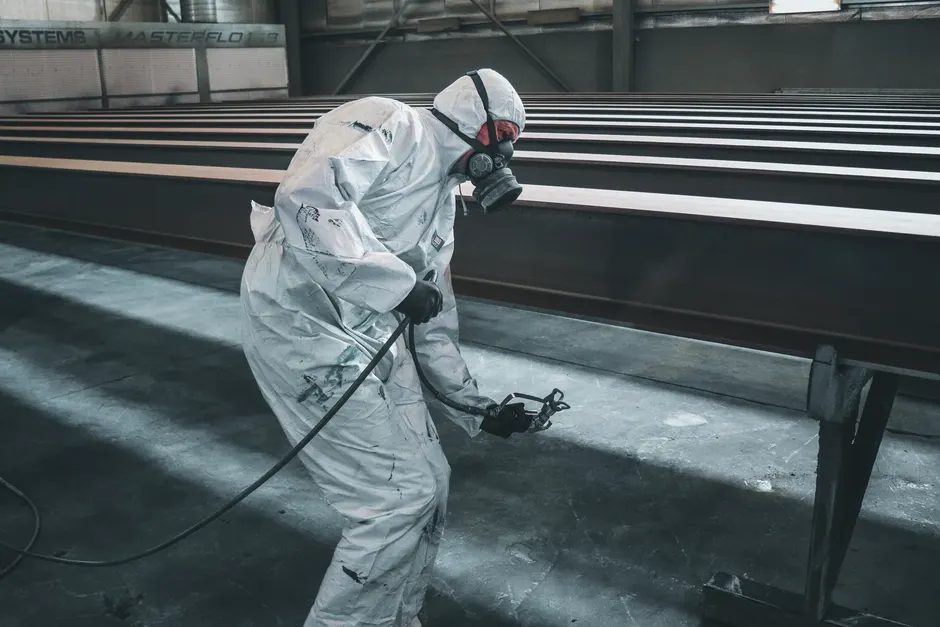
Spray foam removal in Freehold is a specialist job, not a general builder's side project. Freehold is one of Lancaster's densest terraced districts, packed with Victorian and Edwardian two-up two-downs where lofts were never designed for modern insulation. When spray foam went in, usually under a grant scheme or a quick-fix damp cure, it sealed the roof space and killed the ventilation these old slates rely on. We have worked these streets since 2022, and we know the pattern: foam on the underside of the felt, condensation running down the rafters, and a mortgage valuer refusing to lend until it is gone. Our team uses spray foam cutting tools, an industrial vacuum and dry ice blasting machine to strip open cell spray foam and closed cell spray foam without wrecking the timbers. If you need Freehold Spray foam removal that satisfies a lender, we handle the survey paperwork, the removal and the disposal.
Every job in Freehold starts with an insulation assessment, because open cell spray foam and closed cell spray foam come out differently. Open cell is softer and comes away with cutting tools and an industrial vacuum. Closed cell is rigid, bonded hard to the felt, and usually needs thermal removal tools or dry ice blasting. If you have been searching for Spray foam removal in Freehold near me, we cover the whole district and can usually survey within 48 hours.

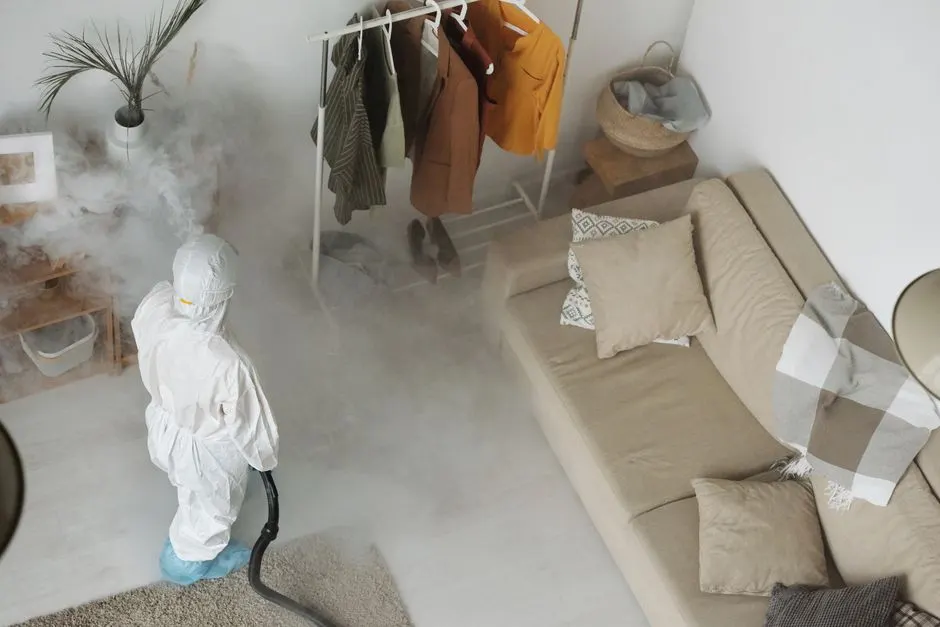






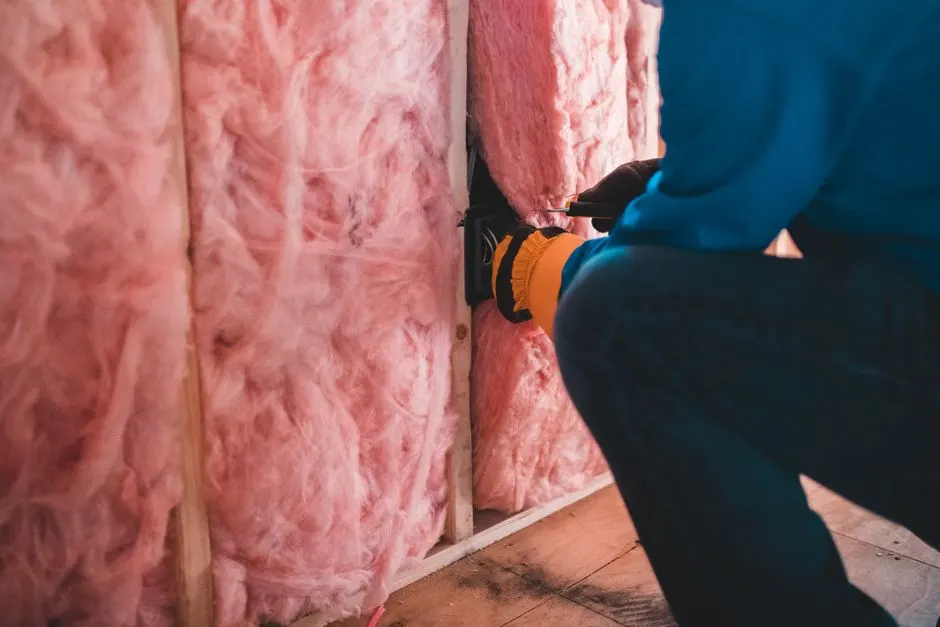





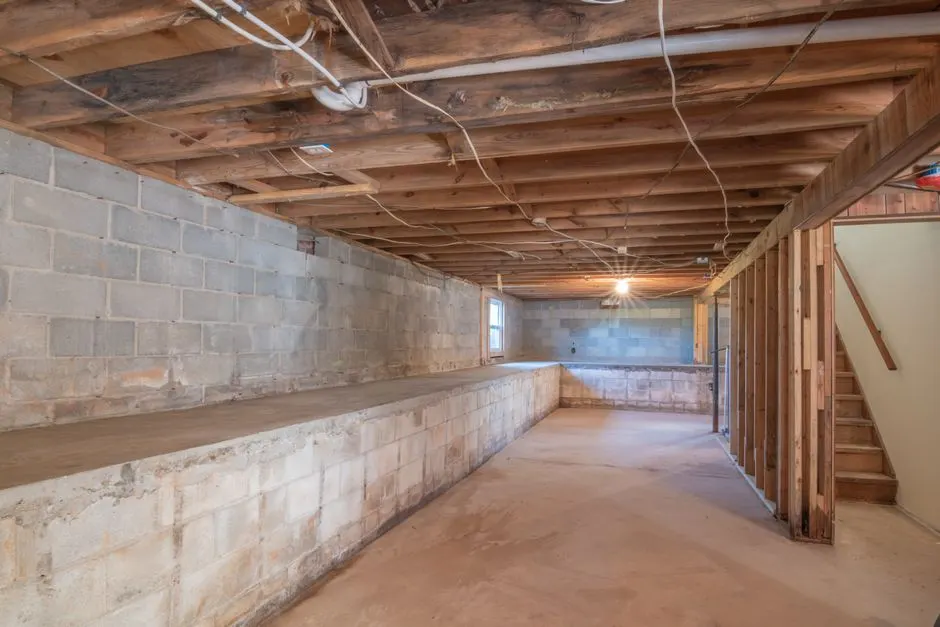



Freehold's building stock creates a specific set of problems. Dense terraced housing with loft spray foam, older properties with poor ventilation, and a high proportion of rental properties all push in the same direction: foam that was meant to save energy ends up causing damp, failed surveys and mortgage refusals. The Lancashire climate, with wet winters and humid summers, makes it worse.
Lenders and valuers treat spray foam as an unknown risk because it hides the roof structure and blocks ventilation. In Freehold's terraces, where roofs are old and often already patched, they will not lend until it is gone.
Foam seals the roof, so warm moist air from the house cannot escape. In a Freehold terrace with no eaves ventilation, that moisture condenses on the cold felt and runs down onto the rafters and ceiling below.
Foam holds moisture against timber for years. In older Freehold properties the rafters and battens are already old, and once rot sets in it spreads along the roof structure. It is often hidden until the foam comes off.
Foam is often bonded to the back of the plasterboard or sprayed around ceiling joists. Pulling it off carelessly cracks the ceiling below, which turns a loft job into a decorating job in a rental property.
Most people in Freehold do not realise they have a problem until a surveyor or valuer tells them. These are the signs we see most often, and if any of them sound familiar, it is worth getting the loft checked before it costs you a sale or a re-roof. If you are searching for Spray foam removal in Freehold near me, these are the triggers that bring people to us.
Mortgage valuation flagged spray foam
Lenders treat spray foam as a risk because it hides the roof timbers and blocks ventilation. A valuer cannot confirm the roof is sound, so they refuse to lend until it is removed. This is the most common reason we get called out in Freehold.
Damp patches on ceilings below the loft
Foam traps moisture against the felt and rafters. That water has to go somewhere, and it usually shows up as a brown patch on a bedroom ceiling or a musty smell in the landing. Left alone, the timber starts to rot.
Condensation on loft windows or rafters
If you see water droplets on the rafters or the inside of a loft window in winter, the roof cannot breathe. Foam is the usual culprit in Freehold's older terraces, because it seals the ventilation paths the roof was built to rely on.
Foam is cracking, crumbling or falling away
Older spray foam can shrink and crack, especially where it was applied thinly. Once it fails it stops insulating and starts trapping debris and moisture. Crumbling foam also makes a mess of anything stored in the loft.
Surveyor cannot inspect the roof timbers
A homebuyer survey often comes back as inconclusive when foam covers the rafters. That puts buyers off and slows a sale. Removing the foam lets a surveyor confirm the roof is sound and keeps the transaction moving.
Freehold is compact, but the one-way streets and narrow terraces mean we plan routes carefully. We use Freehold Community Centre as a reference point for the eastern streets, Lancaster Christ Church for the older housing near the churchyard, and Duke Street Park when directing new customers to the right access point. Lancaster Boys & Girls Club is a useful marker for the streets behind Duke Street, where several of our landlord clients have properties. Knowing these landmarks saves time on the phone and gets the van to the right end of the street first time.
A useful orientation point for the eastern side of the district. When a customer says they are near the community centre, we know to approach from the Freehold Street end rather than the one-way system off Duke Street.
The church marks the older housing cluster in Freehold, where roof voids are shallow and access is often through a rear kitchen extension. It helps us identify which terraces have the tightest loft hatches.
A clear meeting point for customers directing us to the streets around Duke Street. Parking near the park is easier than on the terraced streets themselves, so we often arrange to meet there before walking equipment in.
A landmark for the streets behind Duke Street, where several rental properties we work on are located. It gives us a quick reference for which side of the district a job sits on.
ZIP coverage on request — call to confirm.
Freehold's climate is wet and mild, but the seasons still change how we work. Autumn and winter are when damp problems show up, spring is when sales and surveys pick up, and summer is the easiest time to get a loft cleared. If you are planning spray foam removal Freehold Lancashire, the season affects both the urgency and the schedule.
Spring is when house sales pick up and mortgage valuations start flagging spray foam again. Damp patches from winter often dry out and get forgotten, but the foam is still there and still blocking ventilation.
Tip: If you are selling, get the loft surveyed before you list the property. Removing foam in spring means the sale is not held up by a valuer in summer.
Summer is the easiest time to work in a loft. The timber is dry, the foam is more brittle and comes away cleanly, and we can leave the hatch open for ventilation without losing heat from the house.
Tip: Book summer removals early, because this is our busiest period for landlord void works and pre-sale clearances across Freehold.
Autumn rain starts finding its way into roofs with blocked ventilation. Damp patches reappear on ceilings, and the musty smell returns. This is when most homeowners first notice there is a problem.
Tip: If you see a damp patch in October or November, get it checked before winter. Foam holding water against a rafter through a cold snap can cause rot in a single season.
Winter is the worst time for foam-related damp. Condensation forms on cold felt and runs down onto timbers, and any existing rot spreads faster. Emergency callouts for water ingress are more common from December to February.
Tip: Keep the loft hatch open for an hour a day if you can, and call us if you see water on the rafters. Do not ignore a damp patch because the weather is bad, as it will only get worse.
Freehold sits just south of Lancaster city centre, and we cover the surrounding districts on the same schedule. If you are in one of these areas and need spray foam removal, the same team and the same vans serve you. We do not sub the work out to another firm.
(City)
Less than a mile north of Freehold, and the main source of our commercial and landlord referrals. Many customers here find us after a Freehold job.
View Lancaster City Centre(City)
A short drive west of Freehold, with similar terraced housing and the same loft foam problems. We often pair a Bulk job with a Freehold one on the same day.
View Bulk(City)
Just north of the city centre, around ten minutes from Freehold. Older housing stock with the same ventilation issues, and a steady flow of mortgage-driven removals.
View Marsh(City)
Close to Freehold on the city's south side, with a mix of terraces and larger Victorian properties. Foam in dormer roofs is common here.
View Greaves(City)
South of Freehold along the A6, with larger detached and semi-detached homes. Jobs here tend to be bigger lofts and more complex roof shapes.
View Scotforth(City)
A neighbouring district with similar terraced stock, often booked alongside Freehold jobs. Same access challenges, same foam types.
View PrimroseReal answers from our team for the questions we hear most often before a job starts.
If spray foam is blocking your mortgage, causing damp or failing a survey, call us on 03335672543. We cover Freehold Street, Lindow Street, Queen Street, Duke Street and the whole LA1 3 and LA1 4 area. Surveys are usually within 48 hours, and we can often start the same day. You get a fixed price, licensed disposal and the paperwork your lender needs. No sub-contractors, no hidden extras.
Call 03335672543 or email info@sprayfoamremovallancaster.com and we will book a survey, usually within 24 hours. We work Monday to Friday, 8am to 6pm, with a 24/7 emergency line for water ingress and storm damage. You speak to the person who will be on your roof.
Phone
03335672543Address
78 Church St, Lancaster LA1 1ET, UK, Lancaster, Lancashire
Hours
Mon–Fri: 7AM – 7PM
Sat: 8AM – 4PM
Sun: Emergency Only
24/7 Emergency Available