Lancaster Castle
A fixed reference point at the top of the city centre. It helps us orient deliveries and pick the shortest walking route with equipment to addresses on Castle Hill and the surrounding lanes.
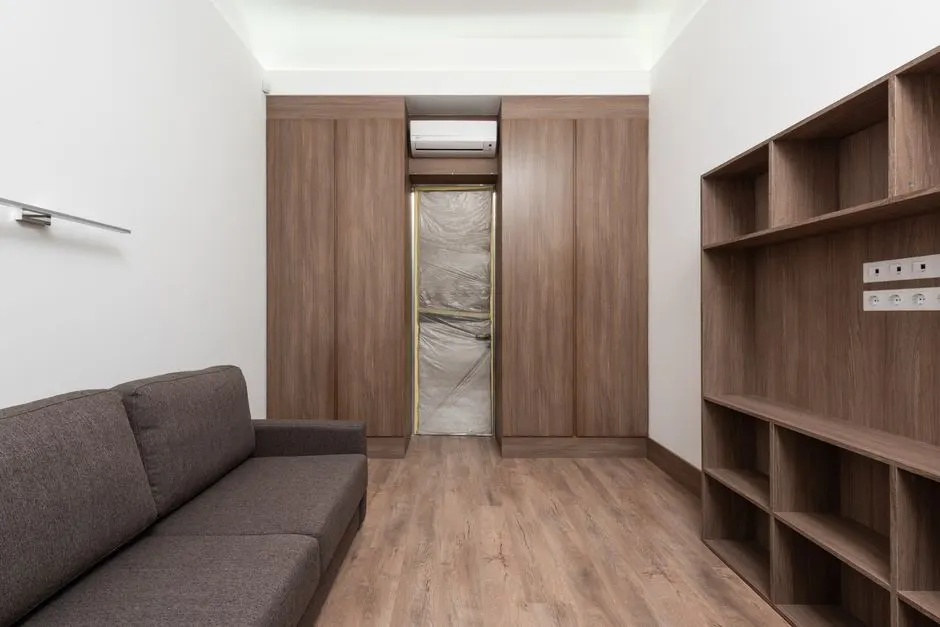
Spray foam removal in Lancaster City Centre is the controlled stripping of open cell and closed cell foam from lofts, rafters, cavity walls and roof decks, carried out when the foam is trapping damp, blocking ventilation or stopping a mortgage completing. Lancaster City Centre is a conservation area packed with Victorian terraced housing, and most of the lofts we open up were never designed for a sealed foam layer. Foam sprayed between rafters stops the roof breathing, so condensation sits on the underside of the felt and timber starts to rot. We have worked these streets since 2022, and the pattern is consistent: a surveyor flags the foam, the buyer panics, and the sale stalls until it is out. Our technicians use spray foam cutting tools, thermal removal tools and an industrial vacuum to take the foam back to bare timber, then a moisture meter confirms the readings before we sign the job off. If you need Lancaster City Centre spray foam removal with a paper trail your lender will accept, we handle the whole job from first inspection to clearance letter.
Every job in Lancaster City Centre starts with the same question: what type of foam is it, and how far has the moisture spread? Open cell foam comes out with cutting tools and an industrial vacuum; closed cell foam is denser and often needs thermal removal tools or dry ice blasting to break the bond without tearing the timber. We cover the full range below, from a single loft in a Penny Street terrace to a full warehouse strip-out. If you are searching for spray foam removal in Lancaster City Centre near me, this is the list to work from.

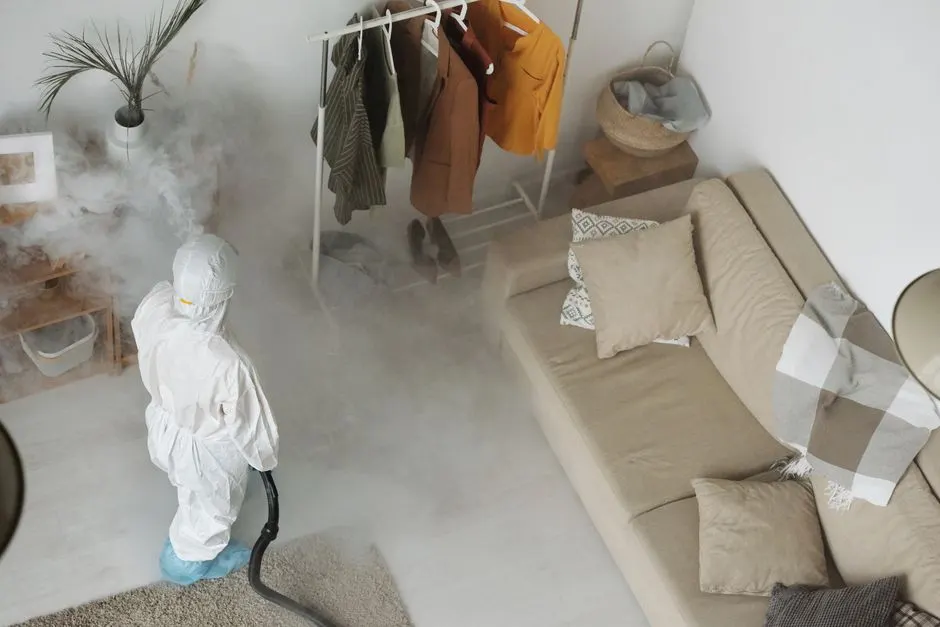






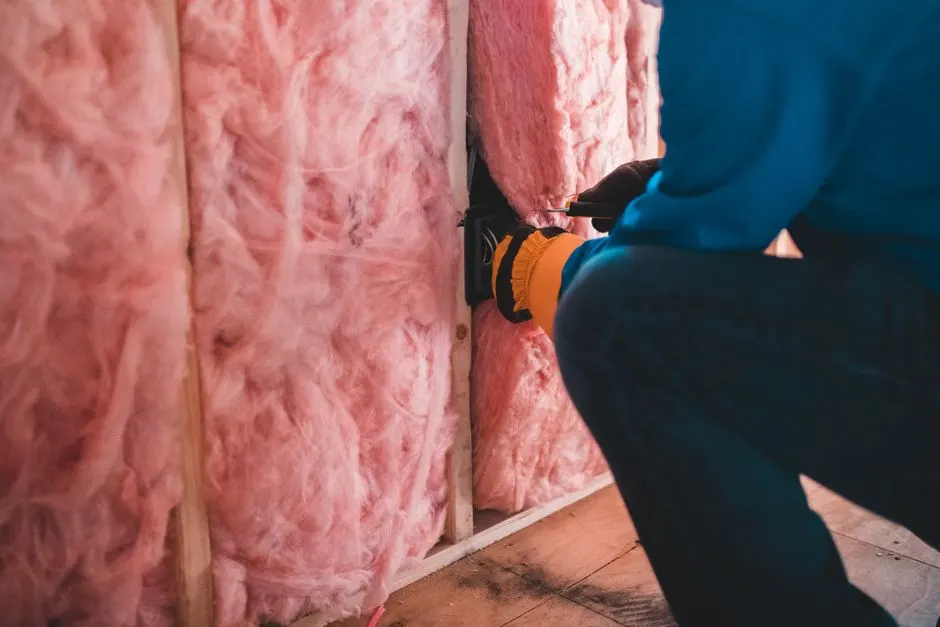






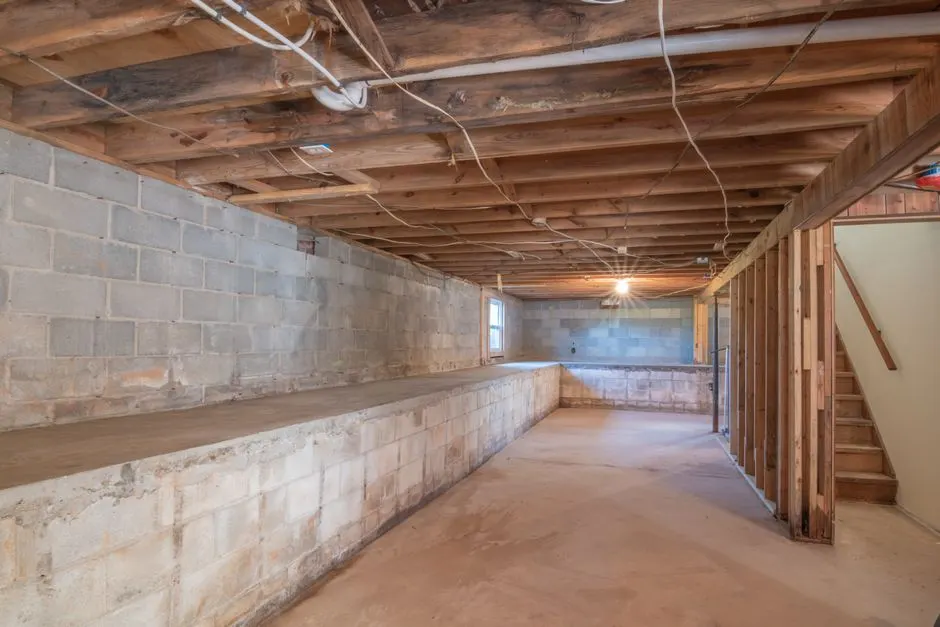




Lancaster City Centre has a specific set of conditions that make spray foam a bigger problem here than in newer housing. The building stock is old, the roof pitches are shallow, and the proximity of the River Lune keeps humidity high. Add conservation area restrictions that limit external fixes, and you get foam that traps moisture with nowhere for it to go. These are the four problems we are called out to most often.
Lenders see foam as a risk because it hides the condition of the timber underneath. In Lancaster City Centre, where so much of the housing is Victorian, surveyors are quick to flag it and valuations get pulled.
Foam sprayed across a roof slope stops the loft breathing. Moisture from the house rises, hits the cold felt and condenses. Coastal damp from the River Lune makes it worse than it would be inland.
Foam holds moisture against rafters and sarking boards for years. By the time a soft patch shows, the rot is often well advanced. Older terraces around Castle Hill and Penny Street are especially vulnerable.
Foam that has absorbed moisture loses much of its insulating value. Homeowners in Lancaster City Centre often find the loft is colder and bills are higher than expected, even though the foam is still in place.
Foam does not always announce itself. In Lancaster City Centre the first clue is often a surveyor's report or a mortgage valuation being pulled, not something you notice at home. But there are physical signs too, and they tend to show up in older terraces with sealed roof slopes. If any of the five below sound familiar, get an assessment before the problem spreads to the timber. Searching for spray foam removal in Lancaster City Centre near me is usually the point people have already spotted one of these.
Damp patches on upper ceilings
Foam seals the roof slope, so condensation that should escape through ventilation instead collects on the felt and drips onto ceiling joists. In Lancaster City Centre terraces with no ridge vent, this is the most common first symptom. Treat it early before the timber stays wet.
Musty smell in the loft or upstairs
A persistent musty smell usually means trapped moisture and the beginnings of mould on timbers or sarking boards. It is easy to dismiss as old-house smell, but in a foam-sealed loft it points to a ventilation problem that will not fix itself.
Mortgage valuation flagged the foam
Lenders treat spray foam on a roof deck as a risk because it hides the timber underneath. If a valuation has been pulled or a surveyor has noted it, the removal needs to happen before the sale can proceed. This is the most urgent trigger we see.
Rafters feel soft or spongy
Probe a rafter with a screwdriver and if it sinks easily, rot has started. Foam holds moisture against the timber and the damage is hidden until it is advanced. Structural timber rot is a job for a specialist, and it needs removing sooner rather than later.
Condensation on roof felt or sarking
Water beads on the underside of the felt or on sarking boards when the roof cannot breathe. It is a clear sign the ventilation path is blocked by foam. Left alone, it will soak the timbers through the winter.
Lancaster City Centre is compact but awkward to drive, so we navigate by landmarks rather than postcodes. Lancaster Castle and Lancaster Priory sit at the top of the hill and mark the historic core, where the lanes are narrow and parking is limited. Lancaster Grand Theatre on St Leonardgate is a useful marker for the north side of the centre, and Lancaster Railway Station tells us which side of the one-way system we need to approach from. Market Square is the main pedestrian pinch point, so we avoid bringing vans through it and carry equipment in from the nearest legal loading bay. Knowing these reference points means we can give you a realistic arrival window rather than a vague one.
A fixed reference point at the top of the city centre. It helps us orient deliveries and pick the shortest walking route with equipment to addresses on Castle Hill and the surrounding lanes.
Sits beside the Castle and marks the historic core. Useful for confirming which side of the one-way system we need and for judging how far we will have to carry kit on foot.
On St Leonardgate, it anchors the north edge of the centre. We use it to plan approach routes that avoid the busiest pedestrian sections of the city centre.
The main pedestrian area. We do not route vans through it, so it tells us where to stop and walk equipment in from instead.
ZIP coverage on request — call to confirm.
Demand for spray foam removal in Lancaster City Centre shifts with the weather. Autumn and winter expose damp problems that have been building all year, while spring and summer are when sales complete and surveyors flag foam. Knowing the pattern helps you plan, especially if you are working to a mortgage deadline. Here is what to expect across the year.
Spring is when the housing market picks up and surveyors start flagging foam on valuations. Damp patches that appeared over winter are still visible, so it is a good time to get an assessment before the sale chain gets moving.
Tip: Book an insulation assessment early if you are planning to sell. Getting the foam out before a buyer's surveyor sees it saves weeks later.
Warm, drier weather makes loft work more comfortable and lets timbers dry out faster after foam removal. It is the best window for larger jobs, including commercial roof decks and warehouse units.
Tip: If you need a big strip-out, summer is the time. Drying times are shorter and we can schedule multi-day jobs without weather delays.
As temperatures drop, condensation starts forming on roof felt in sealed lofts. Damp patches reappear on ceilings and the musty smell returns. This is when most homeowners first notice there is a problem.
Tip: Do not wait for the damp to spread into timbers. Book a removal in autumn so the loft is dry and ready for new insulation before winter.
Winter is peak season for damp and rot. Coastal weather off the River Lune keeps humidity high, and foam-sealed lofts stay wet for longer. Emergency call-outs rise, often tied to lender deadlines at year end.
Tip: If you spot a damp patch or a soft rafter in winter, call us rather than waiting for spring. Rot spreads faster in wet conditions and costs more to fix later.
Lancaster City Centre is our home patch, but we cover the surrounding districts on the same vans and the same schedule. If you are just outside the ring road, we can usually still reach you the same day. These are the areas we work alongside Lancaster City Centre most often.
(City)
Just north of the city centre, a short drive from our base. We cover Bulk on the same day as Lancaster City Centre jobs.
View Bulk(City)
West of the centre, close to the river. Marsh jobs are often booked alongside Lancaster City Centre work in the same week.
View Marsh(City)
South of the centre, a few minutes away. Similar Victorian terraced stock, so the foam problems and the fix are much the same.
View Greaves(City)
To the south along the A6. Larger detached homes with bigger roof decks, so jobs there often run to two days.
View Scotforth(City)
East of the centre, mostly terraced housing. We regularly pair Freehold call-outs with Lancaster City Centre bookings on the same run.
View Freehold(City)
North-east of the centre, close enough for same day spray foam removal when you call before midday.
View PrimroseReal answers from our team for the questions we hear most often before a job starts.
If a surveyor has flagged foam, or you have spotted a damp patch you cannot explain, call us on 03335672543. We cover every LA1 postcode and the surrounding districts, with same day slots available if you ring before midday. Four years working Lancaster City Centre means we know the access, the building stock and what lenders want to see. One call gets you an assessment, a firm quote and a clear plan to get the foam out.
Call 03335672543 or email info@sprayfoamremovallancaster.com and we will book a survey, usually within 24 hours. We work Monday to Friday, 8am to 6pm, with a 24/7 emergency line for water ingress and storm damage. You speak to the person who will be on your roof.
Phone
03335672543Address
78 Church St, Lancaster LA1 1ET, UK, Lancaster, Lancashire
Hours
Mon–Fri: 7AM – 7PM
Sat: 8AM – 4PM
Sun: Emergency Only
24/7 Emergency Available