Haverbreaks Park
A useful reference point for jobs on Haverbreaks Road and the northern side of the estate. We often park nearby when driveway access is tight and carry kit in on foot.
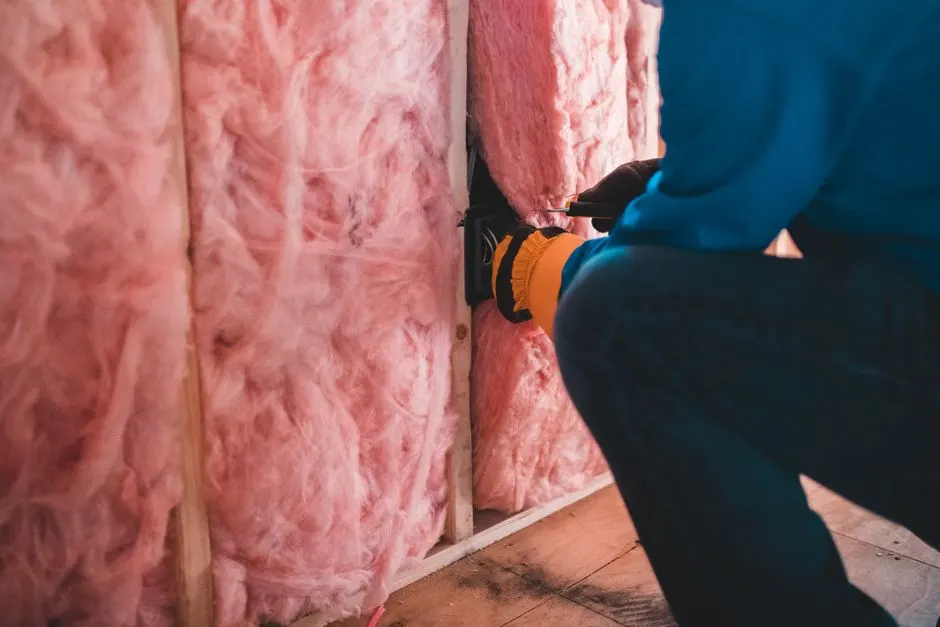
Spray foam removal in Haverbreaks is a job that needs a steady hand and the right kit, not a bloke with a crowbar and a van. We have worked on homes across Haverbreaks Road, Haverbreaks Way, Langdale Road, Windermere Road and Grizedale Road since 2022, and we know how these properties are built. Many were insulated with open cell or closed cell spray foam during the grant schemes, and now owners are stuck: lenders refuse mortgages, surveyors flag the foam, and roof timbers start to sweat. We remove polyurethane foam with spray foam cutting tools, dry ice blasting machines and industrial vacuums, then check the timbers with a moisture meter before we call the job done. If you need Haverbreaks spray foam removal that keeps your sale on track, we are the team to ring. We also handle spray foam insulation removal Haverbreaks Lancashire homeowners need when a surveyor has already been round.
Every job in Haverbreaks is different, so we offer the full range of spray foam removal services rather than one fixed package. Some lofts need a gentle thermal removal, others need dry ice blasting to lift foam off delicate felt, and a few need the whole roof space stripped back to bare timber. If you have been searching for spray foam removal in Haverbreaks near me, this is the list to work through. We cover residential and commercial jobs across LA1 3 and LA1 4.

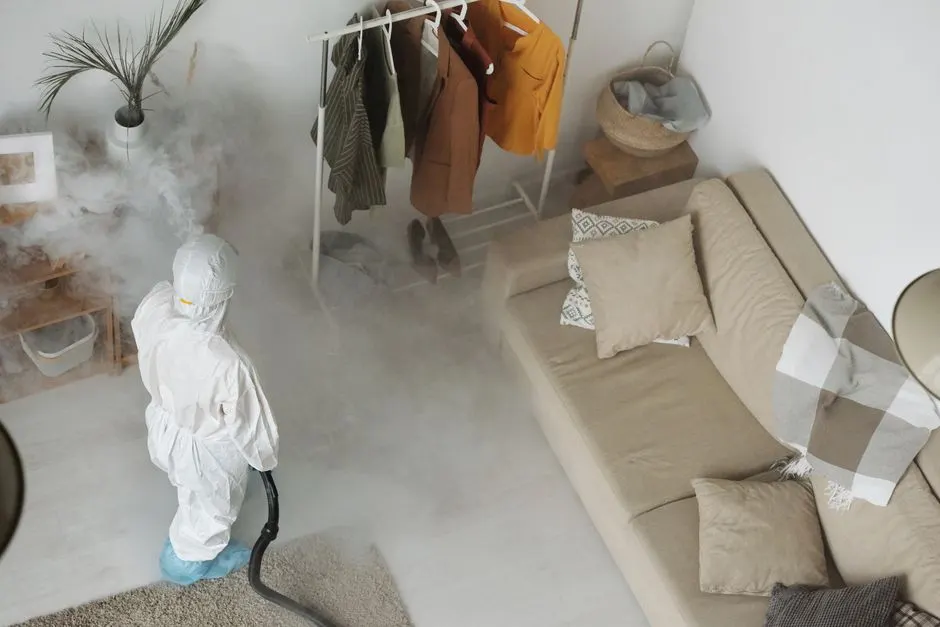




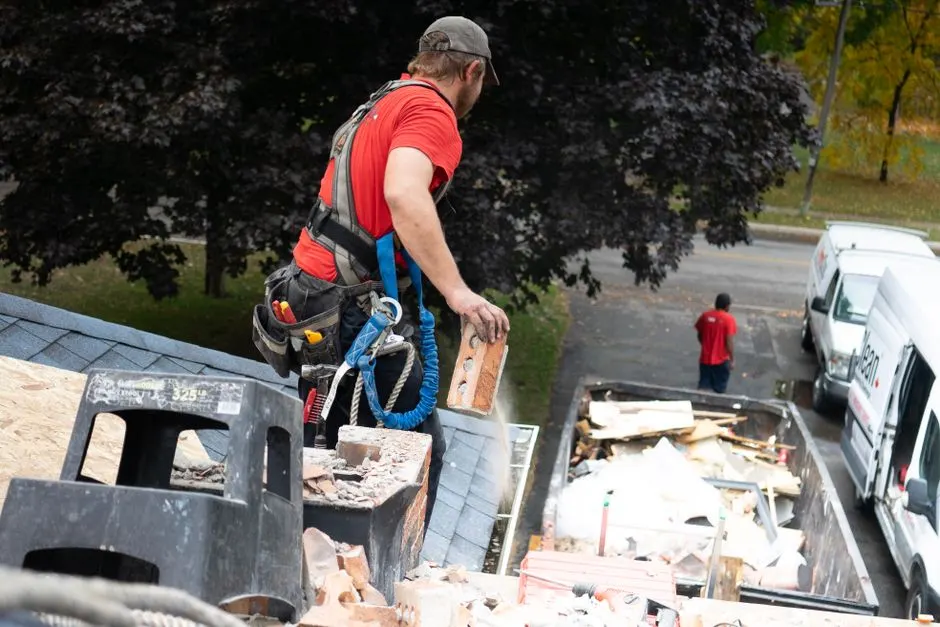






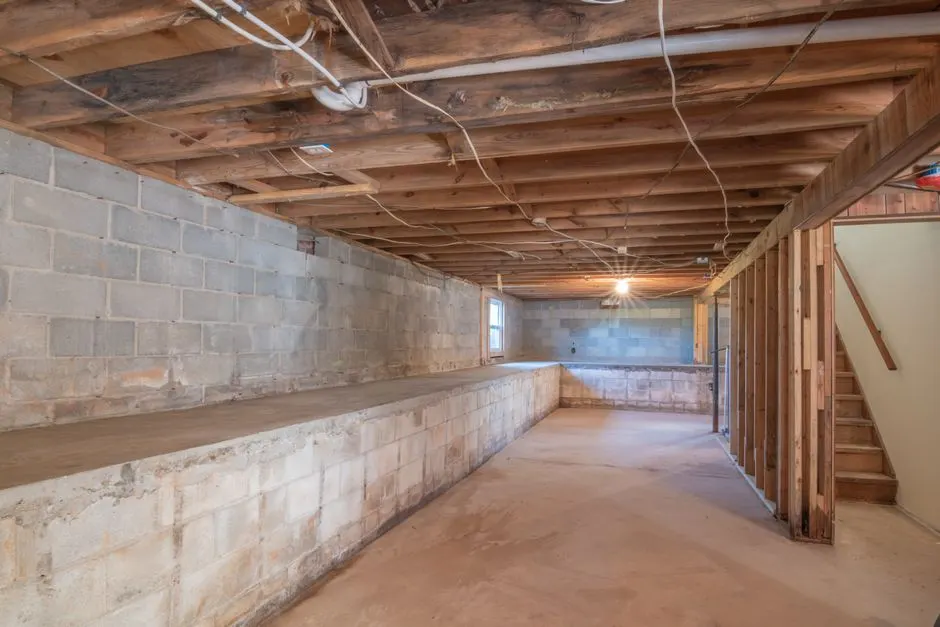



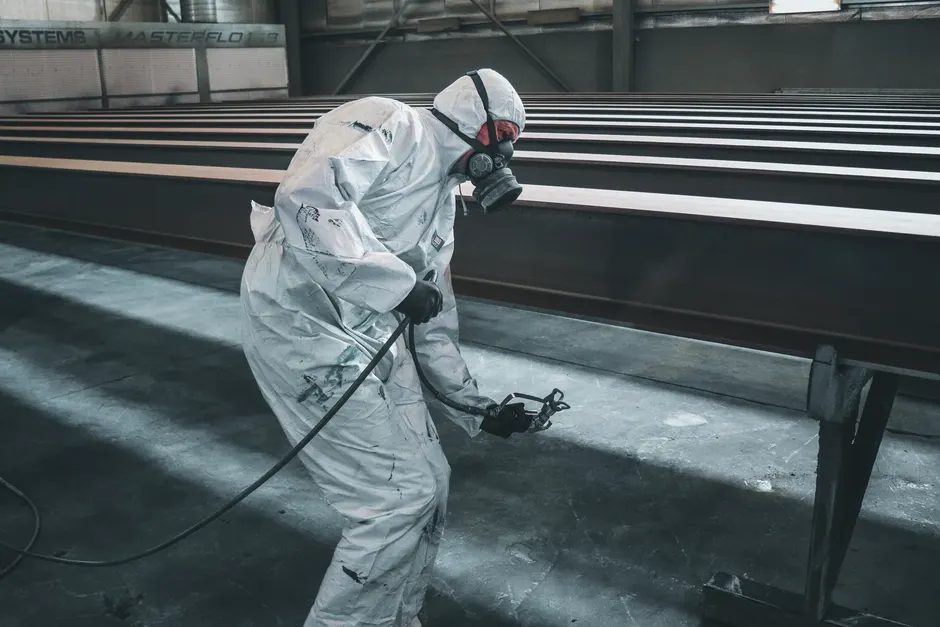
Haverbreaks has a particular mix of housing and weather that makes spray foam problems more likely. The estate has a lot of modern housing insulated under grant schemes, plus older properties where foam was added later. Add Lancashire's wet climate and cold winters, and you get condensation, damp and timber rot. Here are the four problems we see most often.
Lenders treat spray foam as a risk because it can hide structural problems and trap moisture. In Haverbreaks, many homes were insulated under grant schemes without proper ventilation, so surveyors flag it immediately.
Spray foam seals the roof deck, so moisture from showers, cooking and drying washing cannot escape. It condenses on cold timbers and starts rot. Lancashire's wet climate makes this worse, especially in winter.
Once foam is gone, the roof space needs airflow to stay dry. Many Haverbreaks lofts have no vents at all because the foam was meant to do the job. Without ventilation, damp returns within a season.
Foam traps moisture against rafters and joists for years. By the time a damp patch appears on the ceiling, the timber underneath may already be soft. Older Haverbreaks properties with poor ventilation are most at risk.
Spray foam does not always announce itself. Sometimes you only find out when a surveyor flags it or a mortgage lender says no. Here are the signs we see most often in Haverbreaks, from damp patches on ceilings to foam visible around the loft hatch. If any of these sound familiar, it is worth booking an insulation assessment before the problem gets worse.
Mortgage lender refuses to proceed
This is the most common trigger in Haverbreaks. Lenders and surveyors treat spray foam in a roof as a risk because it can trap moisture and hide timber rot. Once it is removed and the roof is inspected, most lenders will reconsider. Do not wait for the sale to collapse before booking.
Damp patches on upstairs ceilings
Foam seals the roof deck, so moisture from inside the house condenses on cold timbers and drips down. Brown patches on a bedroom ceiling usually mean the foam is trapping damp. The longer it stays, the more likely you are to find rot in the rafters.
Foam visible around the loft hatch
If you can see yellow or grey foam expanding out of the loft opening, there is likely much more inside. Open cell foam is soft and spongy; closed cell is hard and dense. Either way, it needs assessing before it causes structural problems.
Musty smell in the loft or upstairs
A persistent musty smell usually means damp and condensation are building up behind the foam. It can also indicate early timber rot, which is expensive to fix if left. A moisture meter check will confirm what is happening and how urgent it is.
Roof felt sagging or tiles lifting
Foam applied directly to roof felt can pull it away from the battens as it cures, especially on older Haverbreaks roofs. Sagging felt and lifted tiles are a sign the foam has damaged the roof covering. Removal should happen before the roof starts leaking.
Haverbreaks is a compact estate, but knowing the landmarks makes a difference when we are carrying kit and waste. We use Haverbreaks Park as our main reference point for the northern streets, and the Community Centre for jobs around Langdale Road. Lancaster Farms and Lancaster Leisure Park help us position the van for commercial work on the edge of the estate. If you are directing us, tell us the nearest landmark and we will find you.
A useful reference point for jobs on Haverbreaks Road and the northern side of the estate. We often park nearby when driveway access is tight and carry kit in on foot.
Helps us locate jobs around Langdale Road and the middle of the estate. The surrounding streets are residential, so we keep noise and van movement to a minimum during the day.
A marker on the eastern edge of Haverbreaks, useful for directing us to commercial units and larger properties where we need space for the waste trailer.
A recognisable reference for the southern approach to Haverbreaks. We use it when planning routes for commercial jobs and larger removals that need extra kit.
ZIP coverage on request — call to confirm.
Haverbreaks sits in a wet, windy part of Lancashire, and the seasons change how spray foam behaves. Autumn and winter bring rain and cold, which makes condensation worse. Spring and summer are the best time to book removal, because the loft is drier and easier to work in. Here is what to expect through the year.
Spring is the busiest time for spray foam removal in Haverbreaks. Buyers start viewing homes, surveys get booked, and lenders flag foam. The loft is drier than in winter, which makes removal cleaner and faster.
Tip: Book early if you are selling. Spring slots fill up fast, and a two-week wait can hold up a house sale. Ring us as soon as your surveyor mentions foam.
Summer is the easiest time to work in a loft. Warm, dry conditions mean less condensation and quicker removal. Foam is slightly softer in the heat, which helps with cutting and blasting.
Tip: If you have been putting off removal, summer is the time. You can also get ventilation work done at the same time, so the roof space is ready before autumn rain arrives.
Autumn rain and falling temperatures bring condensation problems back. Damp patches that were invisible in summer start to show on ceilings. Demand rises as homeowners realise the foam is causing problems.
Tip: Get a moisture meter check before winter. If foam is trapping damp, removing it in autumn prevents rot over the cold months. We can usually fit you in within a week.
Winter is the worst season for foam-related damp. Cold timbers and warm, moist air inside the house create heavy condensation behind the foam. Storm damage and water ingress are also more common, and we take more emergency calls.
Tip: If you spot a leak or a damp patch in winter, ring us straight away. Our 24/7 line covers Haverbreaks, and we can make the roof safe before arranging full removal when the weather improves.
Haverbreaks sits just south of Lancaster, so we cover the whole city and the surrounding villages from the same base. If you are in any of the areas below, we can reach you quickly and bring the same kit and team we use in Haverbreaks. Most jobs within Lancaster are under twenty minutes away.
(City)
About ten minutes north of Haverbreaks. We regularly work on city centre flats and converted buildings where spray foam has been used in roof spaces.
View Lancaster City Centre(City)
A short drive north of Haverbreaks. Older terraced housing here often has foam in loft conversions, and we cover it as part of our Lancaster rounds.
View Bulk(City)
Just north of the city centre, around fifteen minutes from Haverbreaks. We handle residential loft foam removal across the Marsh area.
View Marsh(City)
Close to Lancaster city centre and easily reached from Haverbreaks. Several landlords here use us to clear foam between tenancies.
View Greaves(City)
South of Lancaster, roughly ten minutes from Haverbreaks. A mix of family homes where spray foam is a common surveyor flag.
View Scotforth(City)
A residential area north of the centre, about fifteen minutes away. We cover loft and roof foam removal here on the same schedule as Haverbreaks.
View FreeholdReal answers from our team for the questions we hear most often before a job starts.
If spray foam is blocking your mortgage, trapping damp in your loft, or hiding timber rot, we can help. We have worked in Haverbreaks since 2022, we know the estate from Haverbreaks Road to Grizedale Road, and we provide the reports lenders accept. Call 03335672543 or send us a message and we will book an insulation assessment at a time that suits you. Same day and 24/7 call-outs are available.
Call 03335672543 or email info@sprayfoamremovallancaster.com and we will book a survey, usually within 24 hours. We work Monday to Friday, 8am to 6pm, with a 24/7 emergency line for water ingress and storm damage. You speak to the person who will be on your roof.
Phone
03335672543Address
78 Church St, Lancaster LA1 1ET, UK, Lancaster, Lancashire
Hours
Mon–Fri: 7AM – 7PM
Sat: 8AM – 4PM
Sun: Emergency Only
24/7 Emergency Available