Halton Mill
A well-known landmark on the edge of the village. We use it as a routing point for jobs on the north side of Halton and the lanes running towards the River Lune.
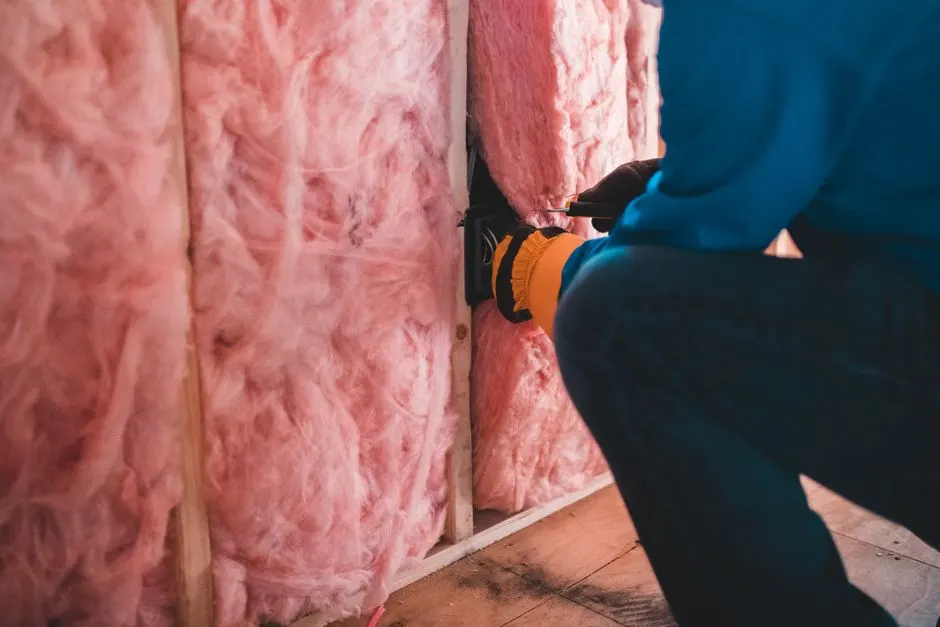
Spray foam removal in Halton is a specialist job, and it is one we have handled since 2022. Halton is a village with a real mix of older stone cottages, Victorian terraces and converted agricultural buildings, and a good number of those roofs were sprayed with polyurethane foam during the insulation grant boom of the 2000s and 2010s. That foam has now hardened, cracked and in many cases trapped moisture against the rafters. We remove it properly, using dry ice blasting machines and thermal removal tools rather than ripping timbers apart. Our team covers Halton Village, Halton Green, Forge Lane and the lanes running down to the River Lune, and we also take jobs across Lancaster and the surrounding villages. Whether you need a loft cleared before a mortgage valuation or a full spray foam insulation removal Halton Lancashire project on a barn conversion, we survey first, explain what we found, and give you a fixed price before we start. We are CHAS and SafeContractor registered, fully insured, and we work to PASMA standards on every access job.
Demand for spray foam removal in Halton has climbed steadily since lenders tightened their valuation rules. Most calls come from homeowners in the LA2 6 postcode who have foam in a loft, roof or cavity and need it gone before a sale, a remortgage or a re-roof. We also get called to barns and outbuildings along Forge Lane where foam has failed and is holding water against the timbers. If you are searching for spray foam removal in Halton near me, we are the local team that turns up with the right kit.

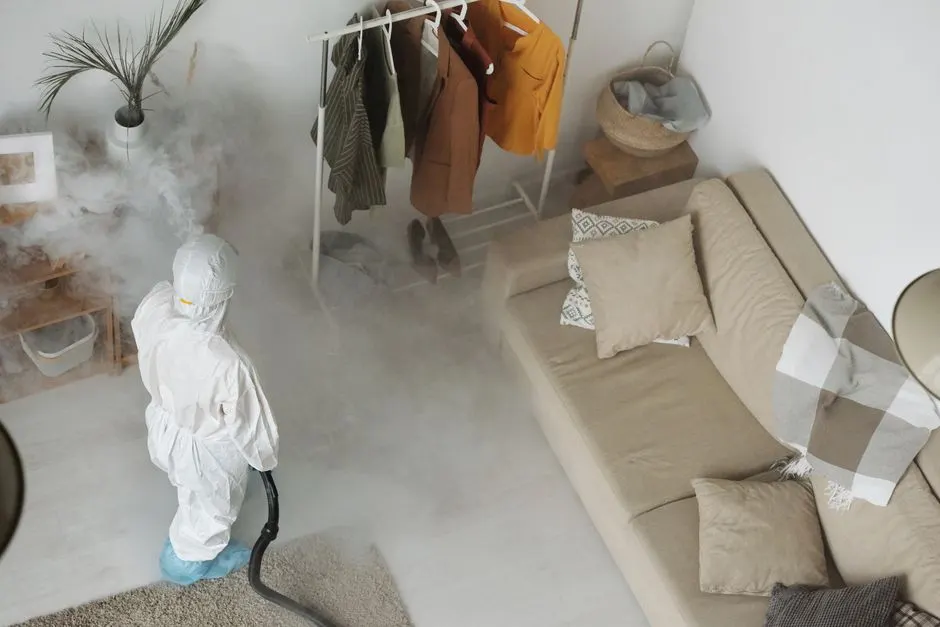




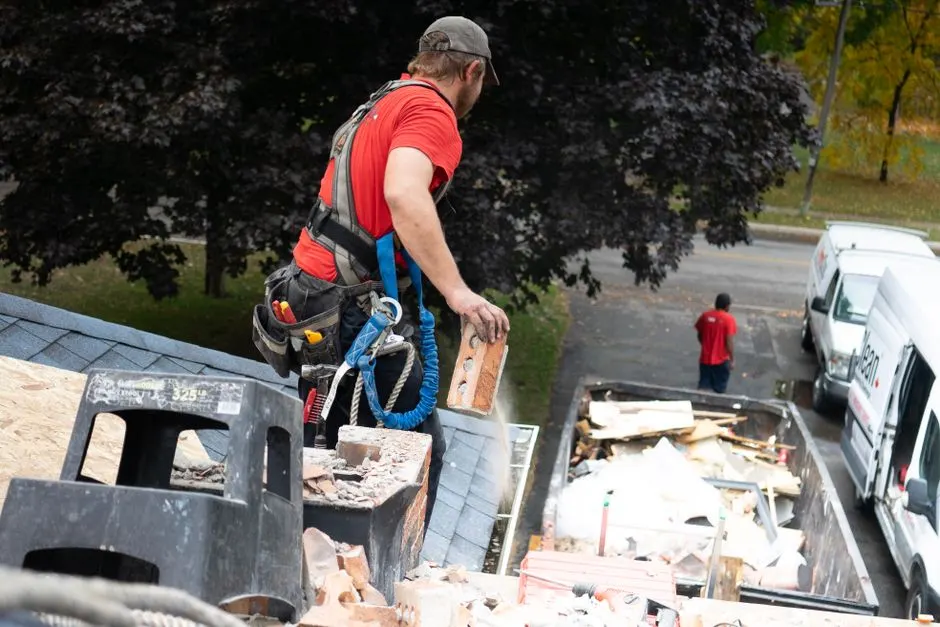







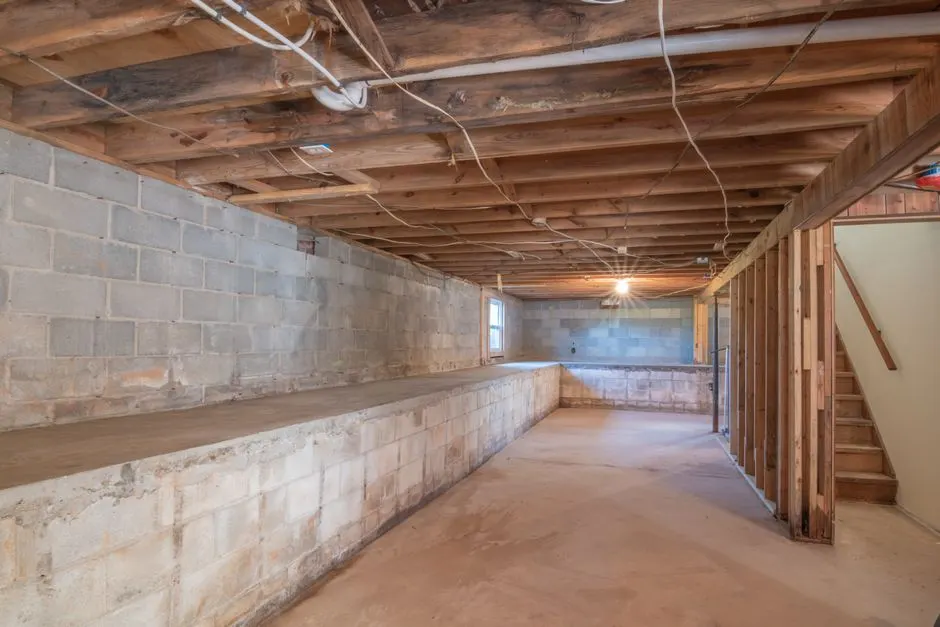




Halton's building stock and climate create a particular set of spray foam problems. The village has a lot of older stone and slate construction, which was never designed to have a sealed foam layer against the timbers. Add the wet Lancashire weather and the fact that many roofs were sprayed without any ventilation plan, and you get the issues we deal with most weeks. If any of these sound familiar, a survey is the sensible next step.
Lenders and surveyors treat spray foam as a hidden risk because it can mask rot and block ventilation. In Halton, where a lot of foam was installed under grant schemes, this comes up constantly during sales and remortgages.
Older Halton cottages often have no eaves ventilation, and foam sprayed between the rafters seals the roof completely. Moisture from the house then condenses on the cold underside of the roof deck with nowhere to escape.
When foam traps water against rafters and battens, rot sets in quietly. By the time it shows on a ceiling below, the timber can be significantly weakened. This is more common in Halton's older roofs with original timbers.
Cavity wall foam was injected into thousands of homes, including 1930s semis along Lancaster Road. Where it has broken down, it bridges the cavity and lets water cross to the inner leaf, showing up as damp patches inside.
Most Halton homeowners do not realise they have a problem until a surveyor or lender flags it. But there are physical signs too, and they usually show up long before a valuation does. If you are searching for spray foam removal in Halton near me because of any of the following, it is worth getting a survey before the damage spreads.
Damp or musty smell in the loft
Foam that blocks roof ventilation traps moisture in the roof space. In Halton's older cottages, that shows up as a musty smell and condensation on the underside of the roof deck. Left alone, it leads to rot in the rafters.
Mortgage lender or surveyor flags the foam
This is the most common trigger we see in Halton. Lenders treat spray foam as a risk because it can hide structural problems and block ventilation. Removal with a documented report is usually what they want to see before releasing funds.
Foam is cracked, brittle or coming away
Spray foam does not last forever. When it hardens and cracks, it stops insulating properly and can let water through to the timber. If you can crumble it with your fingers, it is past its useful life.
Damp patches on ceilings below the roof
Water has to go somewhere. If foam is trapping moisture in the roof, it often finds its way down to ceilings and upstairs walls. By the time you see the patch, the timber above may already be affected.
Higher energy bills despite the insulation
Foam that has failed or is wet insulates poorly, so you pay more to heat the house. If your bills have crept up and the loft feels cold or draughty, the foam may be doing more harm than good.
Halton is a small village, but the lanes around it can be confusing if you do not know them. We use Halton Mill as our main orientation point when routing to jobs on the north side of the village, and Halton St Wilfrid's Church when we are heading into the older streets. The River Lune marks the northern edge of much of our work, and several properties we cover sit on the lanes running down towards it. If you are booking from a farm or an outbuilding, give us the nearest landmark and we will find you.
A well-known landmark on the edge of the village. We use it as a routing point for jobs on the north side of Halton and the lanes running towards the River Lune.
The village church is a useful marker for the older streets in Halton Village, where most of our stone cottage work is based.
A central point in the village that helps us locate nearby residential streets and plan parking for larger jobs.
The river forms the northern boundary of much of our Halton coverage. Properties on the lanes towards it often have the damp and ventilation issues we deal with most.
ZIP coverage on request — call to confirm.
Halton sits in the Lune valley, which means wet winters, mild springs and a fair amount of wind-driven rain off the fells. That climate shapes when spray foam problems show up and when it is best to deal with them. Autumn and winter are when damp and condensation complaints peak, while spring and summer are the practical months for roof work and surveys. If you are planning spray foam removal in Halton near me, here is what to expect through the year.
Damp patches from winter often become obvious as the house warms up. This is a good time to survey a roof, because you can see how well it has dried out and whether ventilation is working.
Tip: Book a survey in spring if you noticed damp over winter. Catching rot early means less timber replacement later.
The driest months make removal work easier and faster. Roof spaces are warm and dry, so moisture readings are clearer and foam comes away more predictably. This is our busiest period for planned removals.
Tip: If you have a sale or remortgage coming up, book summer slots early. Same day availability is tighter in July and August.
As the rain returns, any roof with blocked ventilation starts to show damp again. This is when we get a spike in calls about musty smells and condensation in Halton lofts.
Tip: Get the survey done before winter. Removing foam in autumn gives the roof space time to dry before the worst of the weather.
Cold, wet conditions are when foam-related damp is at its worst, and when storm damage can loosen foam or expose a failed roof. Emergency callouts increase across the LA2 6 area.
Tip: If water is getting in, call our 24/7 line. We can make safe and sheet up the roof before arranging full removal once the weather allows.
Halton sits just outside Lancaster, and we treat the whole Lune valley as one service area. That means if you are in a neighbouring village and cannot find a local removal firm, we will travel to you from the same base. Travel time from Halton to most of these areas is under 30 minutes, so scheduling is straightforward.
(City)
About 10 minutes from Halton. We cover city-centre terraces and flats where spray foam has been flagged in a survey.
View Lancaster City Centre(City)
A short drive south of Halton. Older housing stock with similar foam and ventilation issues to the village.
View Bulk(City)
Around 15 minutes away. We handle a steady flow of loft and cavity foam removals in this area.
View Marsh(City)
Close to Lancaster centre and within easy reach of Halton. Terraced housing with foam in lofts is common here.
View Greaves(City)
South of Lancaster, about 20 minutes from Halton. Larger detached homes with roof-deck foam are typical.
View Scotforth(City)
A 15-minute drive. We cover Freehold for both residential removals and small commercial jobs.
View FreeholdReal answers from our team for the questions we hear most often before a job starts.
If spray foam is holding up your mortgage, trapping damp in your roof or hiding rot in your timbers, call us now. We have covered Halton since 2022, we survey before we quote, and we leave your roof space clean and ready for a breathable insulation system. One call gets you a fixed price and a clear plan. Call 03335672543 or send us a message and we will get back to you the same day.
Call 03335672543 or email info@sprayfoamremovallancaster.com and we will book a survey, usually within 24 hours. We work Monday to Friday, 8am to 6pm, with a 24/7 emergency line for water ingress and storm damage. You speak to the person who will be on your roof.
Phone
03335672543Address
78 Church St, Lancaster LA1 1ET, UK, Lancaster, Lancashire
Hours
Mon–Fri: 7AM – 7PM
Sat: 8AM – 4PM
Sun: Emergency Only
24/7 Emergency Available